

USDT Mining Environmental Impact: How Stablecoin Earning Compares to Traditional Mining
The environmental footprint of cryptocurrency activities has drawn increasing attention. USDT mining environmental impact differs significantly from traditional cryptocurrency mining, offering opportunities for stablecoin earning with minimal energy consumption.
What Is the Environmental Impact of USDT Mining?
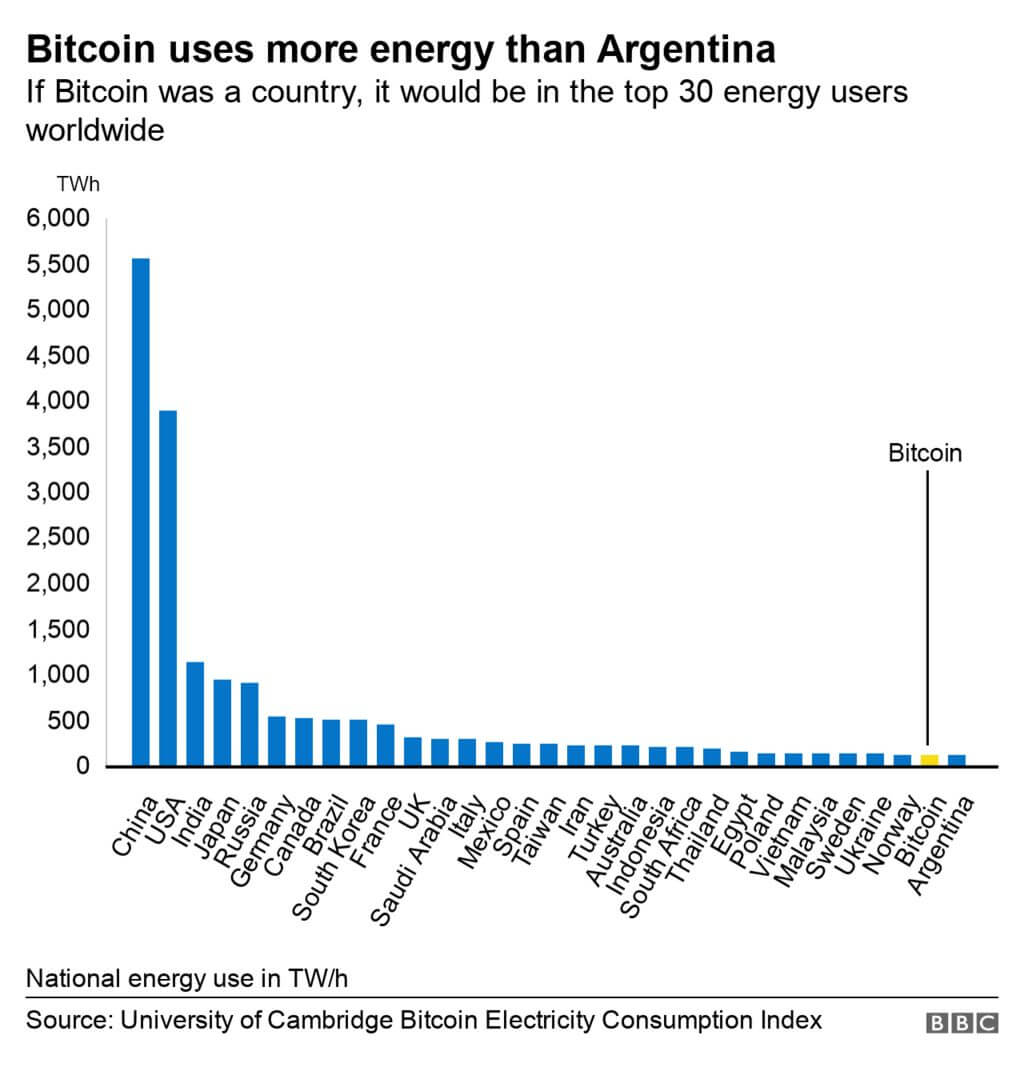
Unlike proof-of-work cryptocurrencies such as Bitcoin, USDT mining does not require high-power computational mining. Instead, it operates through structured earning models, staking, and automated reward distribution on existing blockchain networks. This means its energy consumption is significantly lower, making it a more environmentally friendly option.
Comparing USDT Mining to Traditional Mining
| Aspect | USDT Mining | Traditional Mining (e.g., BTC) |
|---|---|---|
| Energy Consumption | Minimal; relies on network transactions | High; requires continuous computational power |
| Hardware Requirements | Standard wallets and nodes | Specialized mining rigs (ASICs) |
| Carbon Footprint | Low | High |
| Scalability | Easily scalable without additional energy | Scaling increases energy usage |
| Environmental Cost | Low operational impact | Significant electricity usage and heat generation |
Factors Contributing to Low Environmental Impact
No Computational Mining
USDT rewards are generated through rules, staking, and allocation rather than solving complex mathematical puzzles.Blockchain Efficiency
Many platforms operate on energy-efficient networks (e.g., Tron, Ethereum 2.0) that reduce the environmental footprint.Automation and Smart Contracts
Processes such as reward calculation and distribution are automated, eliminating energy-intensive manual operations.
Sustainability Considerations for Users
While USDT mining is already environmentally friendly, participants can further support sustainability by:
Choosing platforms on low-energy or proof-of-stake networks
Minimizing unnecessary transactions or frequent micro-withdrawals
Supporting platforms that provide transparency on operational efficiency
Why Environmental Awareness Matters
Even though USDT mining is low-impact, broader adoption of energy-conscious practices contributes to the responsible growth of the stablecoin ecosystem. Users increasingly value sustainability alongside security, transparency, and returns.
Conclusion
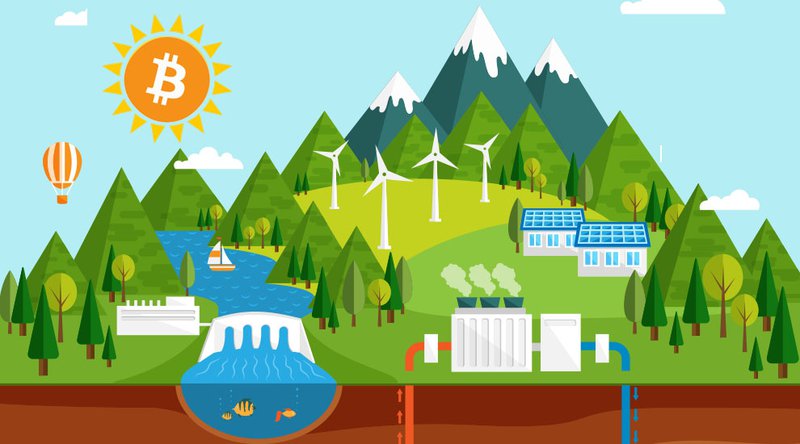
USDT mining environmental impact is minimal compared to traditional cryptocurrency mining, making it an eco-friendly option for earning stablecoins. By understanding the factors contributing to sustainability, participants can engage responsibly, balancing rewards with environmental consciousness. In the evolving digital asset space, low-impact stablecoin mining represents a practical and responsible choice.



 京公网安备11000000000001号
 京ICP备11000001号
还没有评论,来说两句吧...