

USDT Mining Smart Contract: How Automated Rules Power Stablecoin Earning
As blockchain systems mature, smart contracts have become the backbone of many automated financial models. In the context of stablecoin-based earning, a USDT mining smart contract defines how funds are handled, rewards are calculated, and actions are executed—without relying on manual control or traditional mining processes.
What Is a USDT Mining Smart Contract?
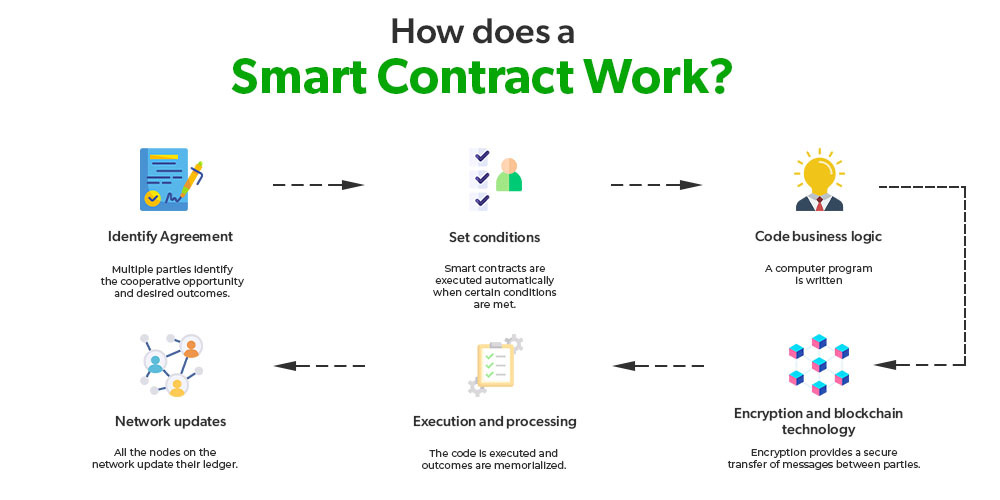
A USDT mining smart contract is a self-executing program deployed on a blockchain that manages USDT within a mining-style earning framework. It does not mine USDT or generate new tokens. Instead, it applies predefined logic to existing USDT, controlling how it is allocated, tracked, and distributed.
How Smart Contracts Replace Manual Operations
Before smart contracts, earning systems depended heavily on centralized databases and human intervention. USDT mining smart contracts automate key operations such as:
Registering deposits
Applying reward formulas
Enforcing time-based conditions
Triggering payouts
This automation reduces delays, errors, and inconsistencies.
Rule Transparency and Predictability
One major advantage of smart contracts is rule clarity. A well-designed USDT mining smart contract clearly defines:
When rewards are calculated
How distribution amounts are determined
Under what conditions funds can move
This predictability helps users understand outcomes before participating.
On-Chain Execution and Trust
Because smart contracts execute on-chain, their behavior can often be verified through public records. This on-chain execution strengthens trust by ensuring that outcomes follow code-defined rules rather than discretionary decisions.
Limitations of Smart Contract-Based Systems
While smart contracts improve automation, they are not flexible once deployed. Errors in logic or assumptions cannot be easily corrected without redeployment. This makes careful design, testing, and explanation essential for long-term reliability.
User Interaction with Smart Contracts
From the user perspective, interaction with a USDT mining smart contract usually happens through a platform interface. Even though the contract runs in the background, understanding its role helps users better interpret balances, rewards, and transaction history.
Smart Contracts vs. Traditional Mining Logic
Traditional mining relies on computational competition and probabilistic rewards. USDT mining smart contracts rely on deterministic logic, where outcomes are calculated according to fixed inputs such as time and allocation size. This shift prioritizes structure over chance.
Conclusion
A USDT mining smart contract is the core mechanism that enables automated, rule-based stablecoin earning. By replacing manual processes with transparent code execution, smart contracts bring consistency and clarity to mining-style models. For users, understanding this foundation is key to evaluating how these systems truly work.





 京公网安备11000000000001号
 京ICP备11000001号
还没有评论,来说两句吧...